Draft Regional Regulation on Jakarta Regional Planning Completed
Reported by Fakhrizal Fakhri | Translated by Rizky Mawardi
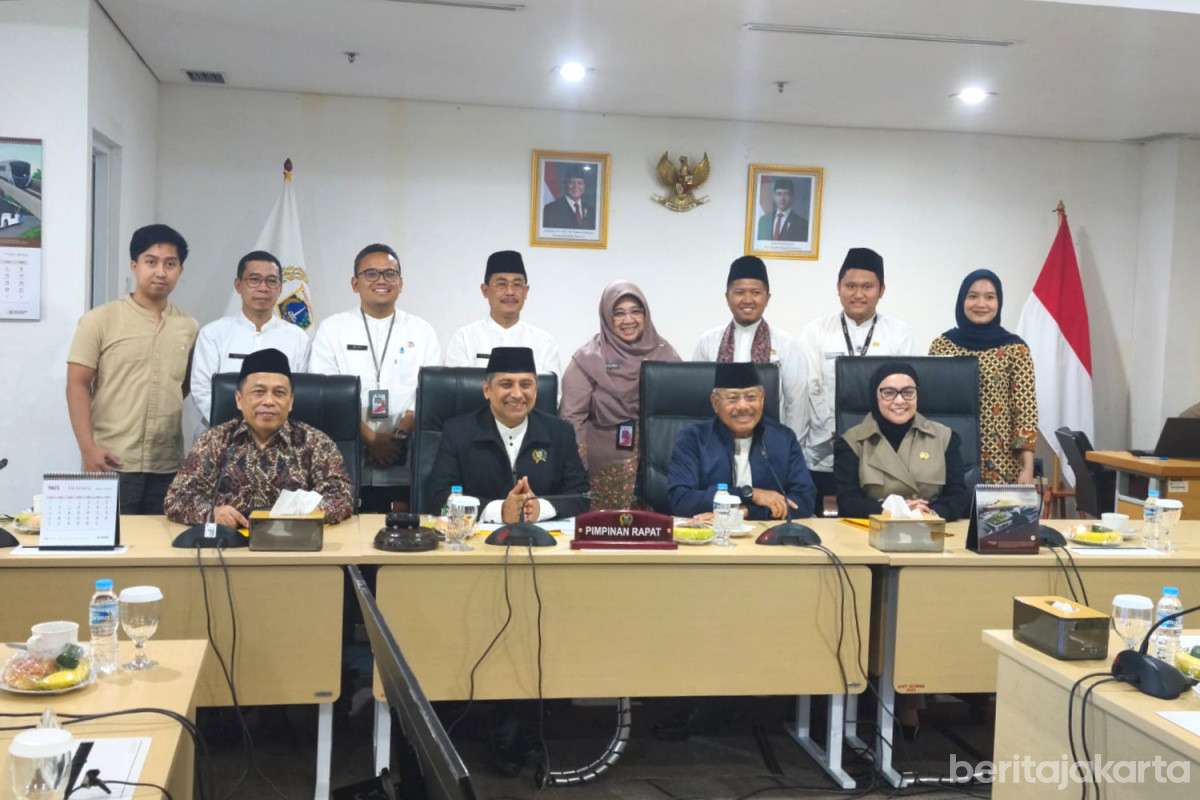
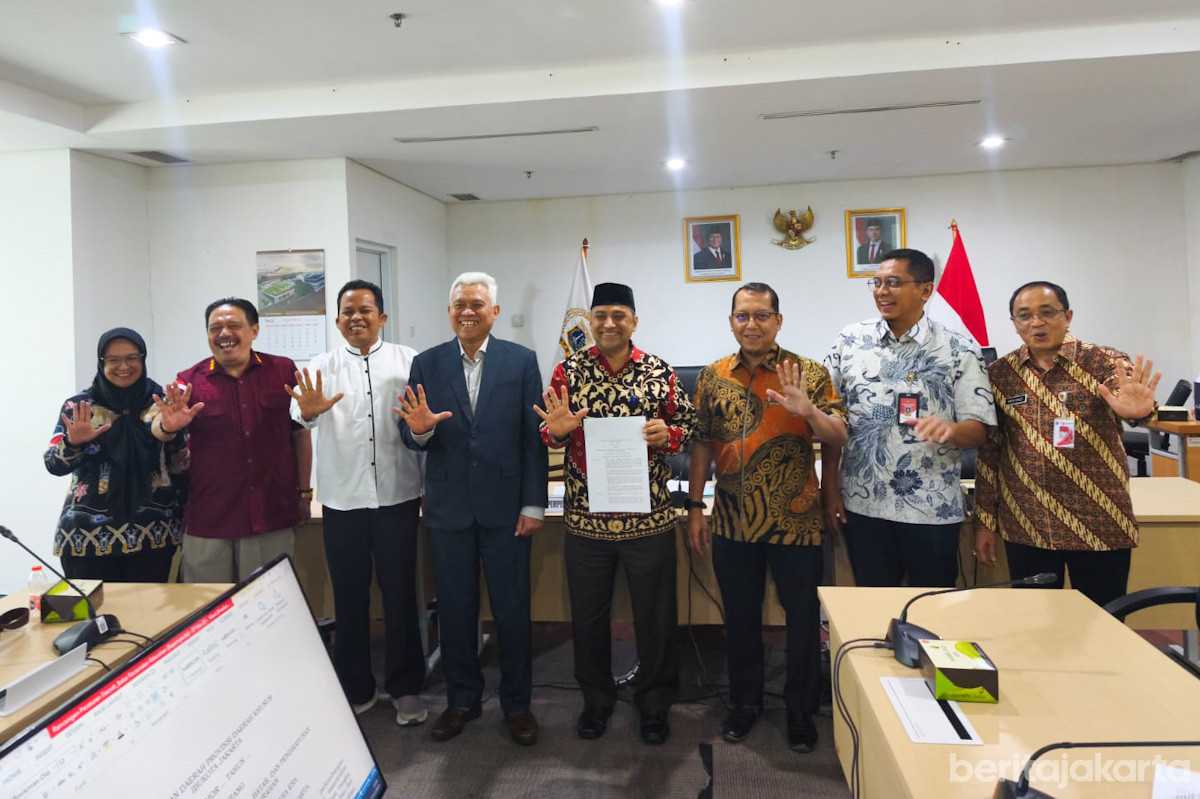
The Regional Regulation Formation Agency (Bapemperda) of the Jakarta City Council has completed discussions on the Draft Regional Regulation (Raperda) about the Formation, Change of Names, Boundaries, and Elimination of Districts and Urban Villages.
establishing ideal standards for the number of residents
Head of Jakarta City Council Bapemperda, Abdul Aziz said this draft regional regulation serves as a crucial guideline for the restructuring and expansion of administrative areas in the capital. These guidelines will serve as the basis for the formation of new districts and urban villages to ensure more effective public services.
"One important point is establishing ideal standards for the number of residents per urban village. It is hoped that these guidelines will optimize district and urban village services," he said, Friday (11/28).
Bapemperda Outlines Strategy for 2026 Regional RegulationsAccording to him, this standard is needed since a number of urban villages in Jakarta have very dense populations, so that public services are not balanced with other areas.
"The ideal number is 42,000 residents per urban village. If there are any that reach 100,000, they should be divided into two or three," he added.
He also emphasized that the process of changing the area must involve the community, starting from the RT, RW, LMK to community leaders, to avoid resistance and ensure that policies meet the needs of residents.
Moreover, Aziz also highlighted on the issue of agglomeration, which is considered crucial for future regional planning in Jakarta. With population growth continuing to rise while land area remains constant, Jakarta is deemed to require opportunities for expansion in cross-regional management.
"As the example, Jakarta can not manage its own waste due to limited land, so it must collaborate with Bantar Gebang. Water, waste, and green space management can be more integrated with agglomeration," he explained.
However, Aziz emphasized that the agglomeration issue is not regulated in this regional planning draft regulation, because it will be discussed in a special regulation as part of the 15 draft regulations specifically for the Special Region of Jakarta (DKJ).